What Should You Check When Pets Bring Home Ticks?
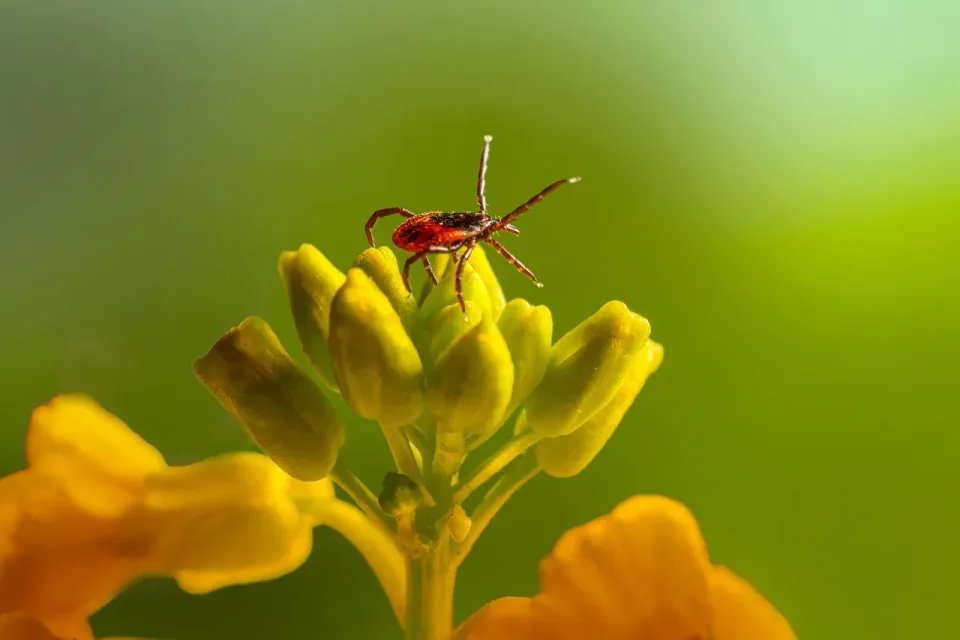
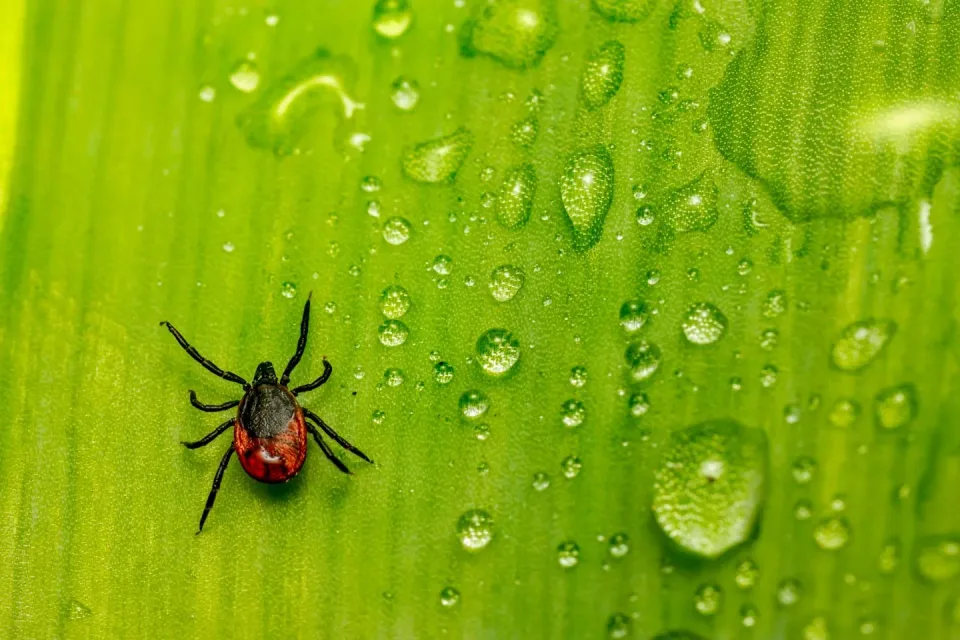
Finding a tick on your dog after a yard walk calls for a careful check of the whole animal, not just the spot where you first saw it. Part the fur and inspect around the ears, collar, toes, legs, and tail, then check yourself and any gear that went outdoors. Small details matter.
For Rhode Island walks, make the check part of coming home:
-
Inspect closely: Use your fingers or a comb to feel through the coat, especially around warm, sheltered areas.
-
Check gear: Look over collars, leashes, blankets, and the car seat or carrier.
-
Remove carefully: Use fine-tipped tweezers to grasp a tick close to the skin and pull steadily; contact a veterinarian if you are unsure.
After visiting the Rhode Island School of Design in Providence, keep pets leashed in the car and do a check before settling in at home. For walks reached by Interstate 95, Rhode Island, plan to check your pet before unpacking outdoor gear.
Route 1 can make coastal outings easy to reach, but brush-side stops are a good reminder to inspect before the next errand. If you find repeated ticks around your property, note the locations and ask us about an inspection.
Where should you check after a yard walk?
Start with the head and work toward the tail, feeling through the coat rather than relying on a quick glance. Check around the ears, under the collar, beneath the legs, between the toes, and around the tail; ticks can be hard to spot where fur is thick.
Use a bright light and a comb, and check your own clothing before it goes into the laundry. Don’t forget the leash and the place your pet rode home.
At the University of Rhode Island in Kingston, a walk on grassy campus edges is a practical reason to build a coat check into the trip home. Around Newport Cliff Walk, keep dogs on permitted paths and avoid brushing against vegetation at path edges.
Rhode Island’s autumn leaf litter can shelter ticks and other insects, so check pets after walks near leaf-covered yard borders, not only after hikes in tall grass. Small, repeated checks beat waiting for a tick to be obvious.
What should you do if you find one?
If a tick is attached, use fine-tipped tweezers to grasp it close to the skin and pull upward with steady pressure. Avoid twisting, squeezing the body, or applying substances that may irritate the skin.
Clean the bite area and your hands afterward, and contact your veterinarian if the tick is difficult to remove, the site looks inflamed, or your pet seems unwell. Your veterinarian can advise on pet-specific prevention and health concerns.
Keep a note of where you found ticks: for example, around a fence line, under shrubs, or beside a pet’s regular resting place. A visit near Misquamicut State Beach in Westerly may include walks through different vegetation than your own yard, so separate travel finds from repeat home findings.
If ticks keep turning up at home, we can inspect the property and discuss where activity appears to be concentrated. Our Tick Treatment page explains the service; remove the space before the URL if using this link.
When is a professional yard assessment useful?
One tick on a pet after a single walk does not automatically mean the yard needs treatment. Start with careful pet checks, routine lawn and garden upkeep, and attention to shaded, brushy edges. Consider a professional assessment when ticks recur on pets after time at home, when several are found in the same yard area, or when you cannot identify the likely exposure point.
At Rhode Island T. F.
Green International Airport in Warwick, travelers may bring pets home after time outdoors elsewhere; keep that possibility in mind before assuming a local yard source. Mohegan Bluffs on Block Island offers a different outdoor setting, and a tick found after a trip does not by itself prove an infestation at home.
We use inspection and monitoring to identify likely activity before recommending any property treatment. That distinction helps avoid treating areas without a clear reason.
Can you handle prevention yourself?
For an isolated tick, careful removal and a veterinarian’s advice are sensible first steps. If you are repeatedly finding ticks on pets after yard walks, or see activity concentrated along the property edge, call a professional to evaluate the site rather than applying a product at random. Product choice and application depend on the location and use directions; keep people and animals away from any treated area as directed.
We look at vegetation, shaded borders, and the places pets use most, then explain what we find and what options fit. For related pest concerns, our RhodeIsland Pest Solutions Blog offers practical guidance, including wasp nests under Rhode Island porch eaves. If a pet has symptoms after a tick bite, contact your veterinarian; property treatment is not veterinary care.
Which Tick Prevention Option Fits Your Yard?
The right choice depends on whether you found a single tick after an outing or keep finding them around home. A pet check and a property assessment address different parts of the problem.
| Option | Best for | Key detail |
|---|---|---|
| Pet check after walks | Finding ticks carried on the coat | Check ears, collar, toes, and tail before settling indoors. |
| Yard upkeep | Reducing hiding places at property edges | Clear leaf litter and keep an eye on shaded borders. |
| Professional inspection | Repeated finds around home | Identify where activity occurs before discussing treatment. |
| Targeted exterior treatment | Confirmed activity in suitable areas | Application depends on site conditions and product directions. |
Near the Cranston Street Armory in Providence, homes with leafy yard edges may need a closer look at where pets roam. Hurricanes can leave coastal properties with debris that complicates outdoor checks, so inspect the yard after cleanup. Newport Harbor is another reminder that outdoor conditions differ by location; ask for a site-specific assessment rather than assuming one approach fits every property.
How Do You Check Pets After a Yard Walk?
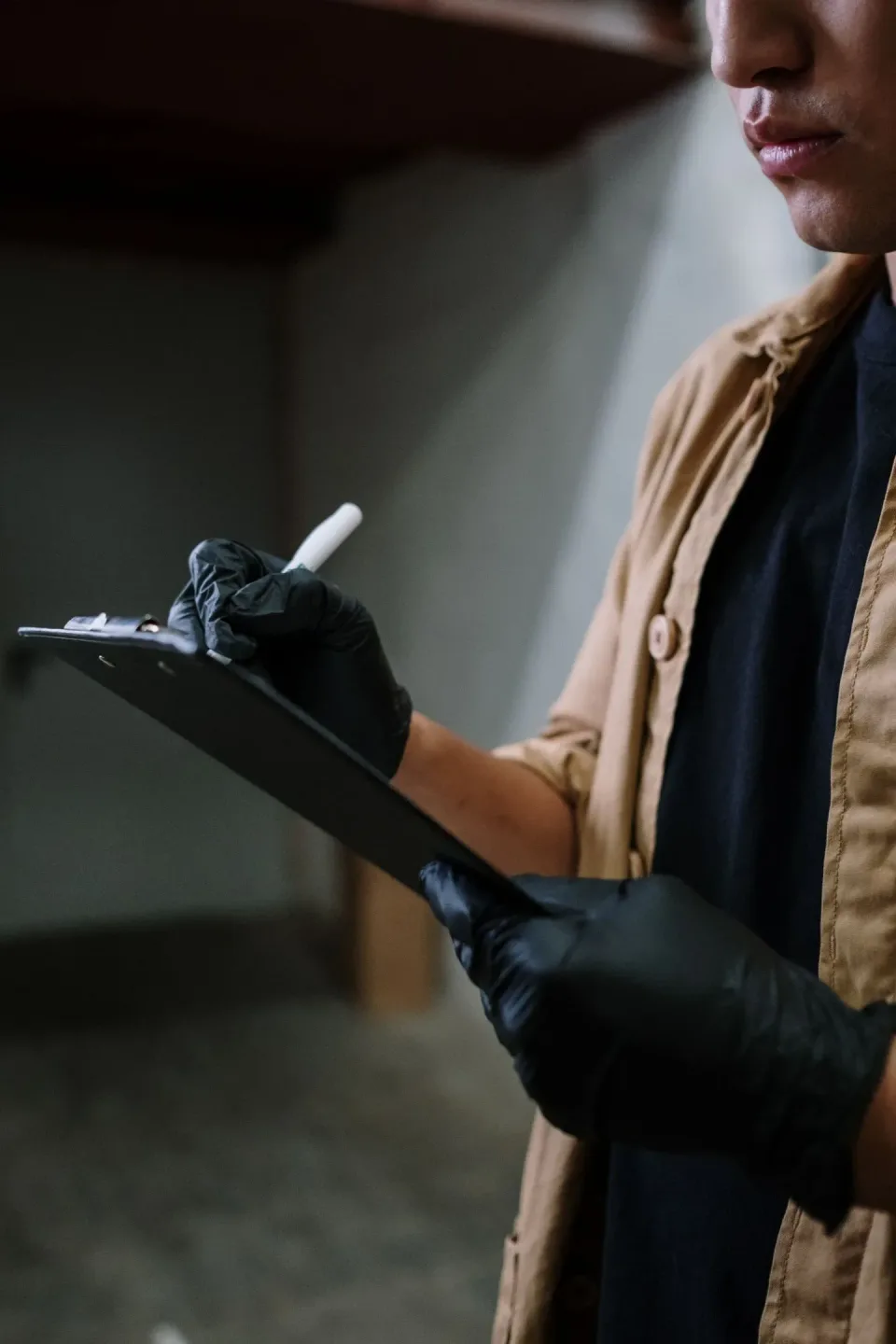
Your dog returns from a walk with damp fur and heads straight for the sofa. Check the coat before the pet settles in, then inspect the leash and resting spot. Take these steps:
-
Choose a bright place: Stand your pet somewhere calm where you can part the fur and see the skin.
-
Work in sections: Check the head, ears, collar area, legs, toes, and tail with your fingers or a comb.
-
Inspect outdoor gear: Look over the leash, collar, blanket, and vehicle seat.
-
Remove carefully: Use fine-tipped tweezers to grasp an attached tick close to the skin and pull steadily.
-
Note the location: Record whether the tick followed a walk or appeared after time in your own yard.
-
Ask for help when needed: Contact a veterinarian about bite concerns, and request a property inspection if finds keep recurring.
If storms affect an exterior service visit, coastal storms may delay exterior treatments, so ask about scheduling before planning yard work. After walking near Beavertail State Park in Jamestown, check the pet before loading the car. A stop near the Blackstone River Bikeway is another good cue to inspect both the coat and leash at the end of the outing.
Get Help With Repeated Tick Finds in Rhode Island
A tick on a pet after one outing is a reason to check carefully, not proof that your yard needs treatment. If you keep finding ticks after time at home, note where your pet spends time and arrange an assessment.
Frequent freeze-thaw cycles can open gaps around foundations, so include the yard edge and nearby structures in a property check rather than focusing on lawn alone. Pawtucket City Hall is a local point of reference, while Watch Hill in Westerly reminds us that properties and outdoor conditions vary across the state.
We inspect, explain the findings, and discuss suitable next steps. For a calm assessment, contact RhodeIsland Pest Solutions about Tick Treatment.