What Do Mud Tubes Mean for Rhode Island Foundations?
A mud tube running along a foundation wall can signal that termites are traveling between soil and wood while staying protected from open air. A tube is evidence of activity or a past route, not proof by itself that termites are still present today. Don’t scrape it away before documenting its location and appearance.
Around Rhode Island T. F.
Green International Airport in Warwick, homeowners can note the tube and arrange an inspection before deciding on treatment; the airport’s location is a useful reference for coordinating service across the region. Route 1 gives many Rhode Islanders a familiar north-south route when planning access for a property visit.
Near the Rhode Island School of Design in Providence, older buildings make careful inspection of foundation edges and adjoining wood especially useful. We check the tube and surrounding conditions before explaining next steps.
What Does a Mud Tube Signal at a Foundation?
Termite mud tubes along foundation walls are covered passageways termites may use to move between their underground colony and a food source. A tube deserves attention, but its presence alone does not establish whether termites are active now, how much wood is affected, or what treatment is appropriate.
Don’t assume a dry or broken tube means the problem is over. Our field process is to inspect the tube, nearby foundation surfaces, and accessible wood, then explain what we can and cannot confirm.
For a property near Interstate 95, make sure the technician can reach the relevant foundation area; blocked access can leave important sections unchecked. Rhode Island’s mix of homes and building conditions calls for examining the structure rather than treating every tube as the same job.
Could Kingston Homes Have Hidden Termite Activity?
A tube may lead toward a sill, joist, porch connection, or another wood component that is not visible from outside. At the University of Rhode Island in Kingston, the campus is a familiar local reference, but the practical inspection point for a homeowner is the building itself: look for tubes where foundation and wood meet, and report any damp or damaged areas.
The Block Island Southeast Lighthouse offers a different reminder about the state’s varied building settings; a coastal property still needs an inspection suited to its own construction and access. Do not break open a suspected tube to investigate.
That can destroy evidence without showing how far activity extends. We document what is visible and explain where further assessment may be needed.
When Should You Call a Termite Professional?
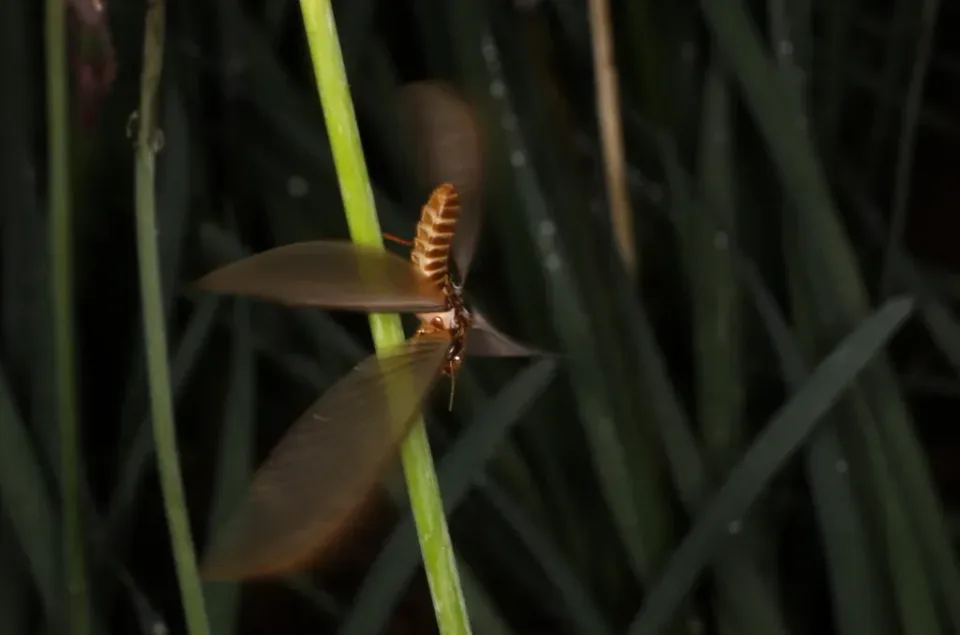
Call when you find a tube attached to a foundation, especially if you also see damaged or soft wood, discarded wings, or recurring signs in the same area. A broken tube is not a reliable all-clear; termites may have another route, and a single visual check cannot establish the full extent of activity.
Cold-weather rodent concerns are a separate issue, so do not confuse mouse signs with termite evidence when describing what you found. In coastal communities, hurricanes can leave flooding and debris around a home; after a storm, clear safe access and mention water intrusion during the inspection.
The Ninigret National Wildlife Refuge in Charlestown is a recognizable local landmark, but nearby properties still need decisions based on their own foundation and wood conditions. Photograph the tube before service. That small step preserves a useful record.
Can You Remove a Tube Yourself?
You can photograph a tube and note the date, but scraping it off or applying a household pesticide is not a dependable way to determine whether termites remain. A tube’s appearance does not tell you the colony’s location or whether hidden wood has been affected.
Nor’easters can drive wind and rain into homes and complicate exterior access, so tell the inspector about storm damage or standing water rather than treating those conditions as proof of termites. The steep setting around Mohegan Bluffs on Block Island is a reminder that access can vary sharply from one property to another; a safe inspection route matters.
At RhodeIsland Pest Solutions, we inspect accessible areas, explain our findings plainly, and recommend a treatment plan only after assessing the site. For service details, see our Termite Treatment page.
Which Inspection Option Fits a Mud Tube Concern?
Choose based on what you found and what the inspection needs to establish. Coastal humidity can leave basements damp, so mention moisture conditions during an assessment; dampness is relevant context, not a termite diagnosis. A property near Blithewold Mansion, Gardens & Arboretum in Bristol still needs a site-specific review of its foundation and accessible wood.
| Option | Best for | Key detail |
|---|---|---|
| One-time pest treatment | A confirmed, defined pest issue | One visit; ask what inspection findings support the proposed work. |
| Preventive pest inspection | Checking a tube or other suspected sign | Inspection focuses on visible foundation and accessible wood. |
| Exterior perimeter treatment | An exterior plan when conditions allow | Focuses on foundation and entry zones; not a substitute for identifying termite activity. |
| Rodent control and exclusion | Separate mouse or rat signs | Mouse gaps may be as small as 1/4 inch; rat gaps, 1/2 inch. |
Snow cover can push rodents toward buildings, so distinguish rodent evidence from a termite tube. Bring photos and note the location.
How to Prepare for a Foundation Inspection
Start by photographing the tube and noting where it meets the foundation; avoid removing it before the visit. Rhode Island’s frequent freeze-thaw cycles can open foundation gaps, so include visible cracks in your notes without assuming they are termite routes.
A walk near the Blackstone River Bikeway may be familiar local terrain, but at home, focus your check on the foundation itself. Providence Amtrak Station can help orient travel plans for a service visit; confirm the property’s access details when arranging it.
-
Record the sign: Photograph the tube and note the date, wall, and nearby wood.
-
Clear the inspection area: Move stored items away from the foundation and provide access to basements or utility areas.
-
Share the history: Point out previous repairs, moisture concerns, or repeated signs.
-
Protect household members: Report pets and sensitivities before any treatment is considered.
-
Review directions: Ask which product-label re-entry instructions apply if treatment is recommended.
Should You Get Help With a Foundation Tube?
A mud tube is a reason to inspect, not a diagnosis of the extent of damage. Photograph it, leave it in place for assessment, and describe any nearby wood or moisture concerns.
Coastal storms may delay exterior treatments when conditions make outdoor work unsuitable, so a technician should explain what can be inspected safely and whether scheduling needs to change. At Beavertail State Park in Jamestown, coastal weather is part of the setting; at a home, the practical question is whether the foundation is accessible and safe to assess.
If you have seen a tube near the Crescent Park Carousel in East Providence or elsewhere in Rhode Island, share its location and photos with RhodeIsland Pest Solutions. We can inspect and explain the findings. Start with our Termite Treatment service page.